During my trip to Japan, I made it my mission to visit as many ramen shops as possible. What started as a casual goal turned into an obsessive quest across Tokyo and Kyoto, hunting down the best bowls the country had to offer. Here are my rankings and reviews of seven restaurants, evaluated on four criteria in descending order of importance: broth, noodles, toppings, and meat.
The Criteria
Before diving into the rankings, let me explain my evaluation framework. Ramen is a complex dish with many moving parts, but some elements carry more weight than others:
- Broth (40%) — The soul of the bowl. A great broth is rich, complex, and perfectly balanced. It should make you want to drink every last drop. The best broths have layers of flavor that reveal themselves with each sip—initial impact, mid-palate depth, and a clean finish.
- Noodles (30%) — Texture, chew, and how well they hold the broth. The noodles should complement the soup, not fight against it. Thickness, waviness, and firmness all matter depending on the style of ramen.
- Toppings (15%) — Egg, green onions, nori, bamboo shoots, and other accompaniments. These should enhance the overall experience without overwhelming the core flavors. The soft-boiled egg, or ajitsuke tamago, is often the bellwether of a shop's attention to detail.
- Meat (15%) — Chashu quality, tenderness, and flavor. Whether it's pork belly, shoulder, or chicken, the protein should be seasoned properly and cooked to the right texture. Great chashu practically melts in your mouth.
#1: Menya Kissou (Tokyo)

The crown jewel of my ramen journey. Menya Kissou serves what might be the most refined bowl of shoyu ramen I've ever encountered. Located in the Bunkyo ward, this shop doesn't have the longest lines or the most Instagram buzz, but it delivers where it matters: in the bowl.
The broth is a masterclass in restraint and depth. It's a clear, golden shoyu base that looks deceptively simple but reveals incredible complexity with each spoonful. You taste the careful extraction of chicken and dashi, the subtle sweetness of quality soy sauce, and a whisper of dried seafood that lingers on the palate. This is broth that respects tradition while achieving something transcendent.
The noodles are thin and straight, with just enough firmness to provide textural contrast. They're clearly made in-house and serve their purpose perfectly—delivering broth to your mouth without demanding attention for themselves. The chashu is lean, precisely torched, and seasoned with a light hand. The egg was flawless: jammy yolk, seasoned white, perfect temperature.
The perfect bowl of ramen isn't about showing off. It's about every element serving the whole. Menya Kissou understands this better than anywhere else I visited.
Score: 9.5/10
#2: Fuunji (Tokyo) - Tsukemen Specialist

Fuunji is a tsukemen specialist in Shinjuku, and the lines reflect its reputation. I waited about 45 minutes on a Tuesday afternoon, which tells you everything about how beloved this place is among locals and tourists alike.
For the uninitiated, tsukemen is ramen's deconstructed cousin: thick noodles served cold or room temperature alongside a concentrated dipping broth. You dip, you slurp, you experience two distinct temperatures and textures in each bite. Fuunji has perfected this format.
The dipping broth is aggressively flavorful—a thick, almost gravy-like fish and pork concentrate that coats the noodles beautifully. It's salty, savory, and intensely satisfying. Some might find it overwhelming, but that's the point of tsukemen: the cold noodles temper the broth's intensity. The noodles themselves are thick, chewy, and springy, with a satisfying bite that holds up to the heavy sauce.
What sets Fuunji apart is their attention to the dipping experience itself. The broth stays hot throughout the meal thanks to a clever serving vessel, and they offer hot broth to dilute and drink at the end—transforming your leftover sauce into a soup course.
Score: 9.2/10
#3: Human Being Everybody Noodle (Tokyo)

Yes, that's the actual name. And yes, it's as memorable as the ramen itself. This tiny shop in Tokyo serves a style I can only describe as "new wave"—modern techniques applied to traditional foundations, resulting in something familiar yet surprising.
The broth sits somewhere between shoyu and shio, with a clarity that belies its depth. There's a pronounced seafood element—think dried scallop and niboshi—that gives the soup an umami punch without veering into fishiness. It's clean and complex, the kind of broth that makes you slow down and pay attention.
The noodles are house-made and perfectly calibrated to the soup—medium thickness with a slight wave that holds broth in its crevices. The toppings are thoughtfully curated: a gorgeously marbled chashu, perfectly seasoned egg, and fresh garnishes that add brightness to the rich soup.
What I appreciate most about Human Being Everybody Noodle is its sense of intention. Every element feels considered. Nothing is there by accident. It's ramen as craft, not commerce.
Score: 9.0/10
#4: Ichiran (Multiple Locations)

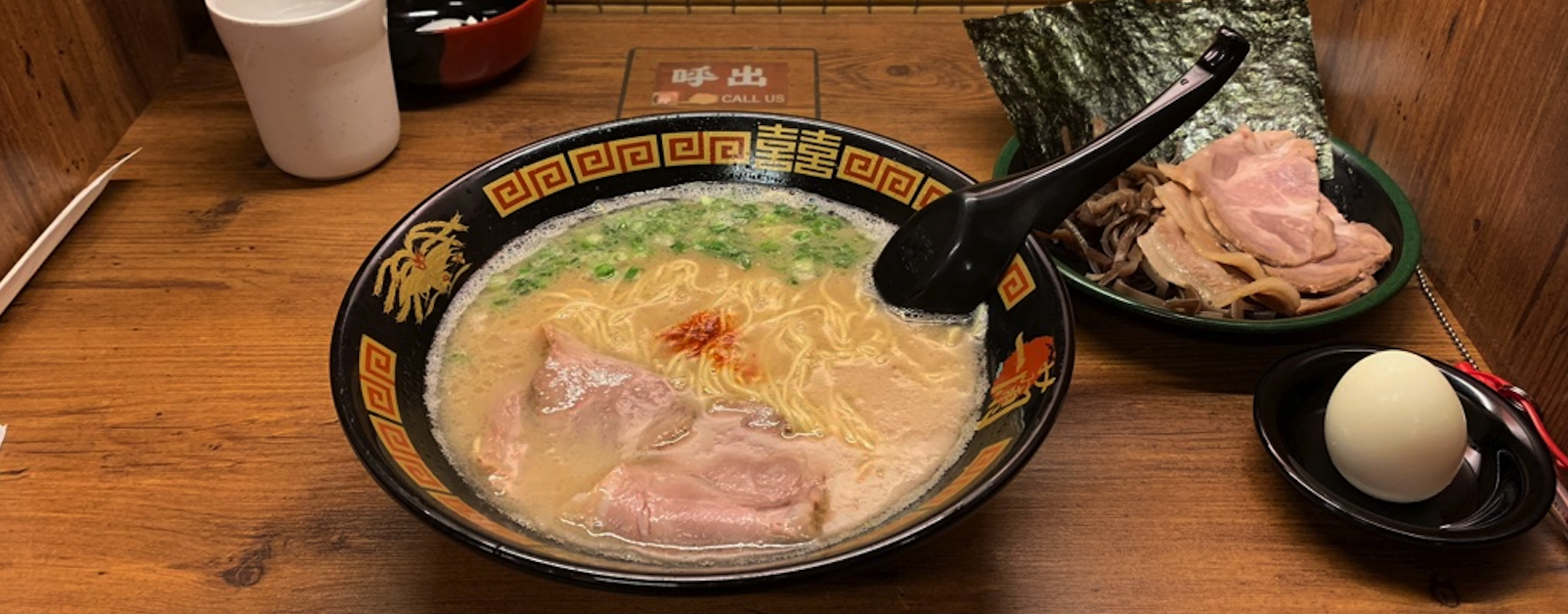
Ichiran is the most famous ramen chain in the world, and visiting felt obligatory. They're known for their individual dining booths—you sit in a wooden cubicle, customize your order on a paper form, and receive your ramen through a small window with minimal human interaction. It's efficient, private, and perfectly suited to solo diners who want to focus on their food.
The tonkotsu broth is excellent—creamy, rich, and consistent across their many locations. You can customize everything: noodle firmness, broth richness, garlic amount, spice level, and more. This level of personalization is Ichiran's real innovation, allowing every customer to receive their ideal bowl.
The noodles are thin and straight, cooked to your specified firmness. The chashu is good but not exceptional—thin-sliced pork belly that does its job. The signature red pepper sauce adds a slow-building heat that deepens the flavor without overwhelming the pork essence.
Is Ichiran the best ramen in Japan? No. But is it reliably great, infinitely customizable, and a genuinely unique dining experience? Absolutely. There's a reason it's become an institution, and the quality justifies the hype even if it doesn't quite reach the heights of smaller, more specialized shops.
Score: 8.5/10
#5: Kyoto Torigawa Tonkotsu (Kyoto)

A Kyoto gem that combines the richness of Hakata-style tonkotsu with local sensibilities. Kyoto is known for more delicate, refined flavors, so finding a proper pork bone broth shop felt like discovering a secret.
The broth is undeniably rich—this is tonkotsu as it's meant to be, milky white and deeply porky. But there's a restraint here that separates it from the more aggressive Kyushu style. The fat is emulsified beautifully, creating a smooth texture rather than a heavy one. You could drink this broth endlessly without feeling weighed down.
The noodles are Hakata-style thin and straight, served quite firm. The chashu is excellent—fatty pork belly that's been braised until tender and then torched for a slight char. Green onions and black garlic oil add complexity to what's already a sophisticated bowl.
I appreciated how this shop bridges regional styles. It's unabashedly tonkotsu but filtered through Kyoto's more refined palate. The result is accessible to those who find typical tonkotsu too heavy while still satisfying purists.
Score: 8.3/10
#6: Afuri Ramen (Tokyo)

Afuri is famous for their yuzu shio ramen, a lighter style that's become increasingly popular in Tokyo. If you're exhausted from heavy tonkotsu bowls, Afuri provides a refreshing alternative.
The broth is chicken-based, clear and light, with a pronounced citrus note from yuzu that gives the whole bowl a brightness you rarely find in ramen. It's clean and aromatic, almost spa-like in its delicacy. The problem is that this lightness comes at the cost of depth—after a few spoonfuls, you start wishing for more complexity.
The noodles are thin and somewhat unremarkable. They serve their purpose but don't stand out. The chashu, however, is impressive—char-grilled chicken that adds smoky notes to complement the citrus broth. The egg is solid, and the toppings are arranged with Instagram-worthy precision.
Afuri is a good ramen shop that's become perhaps slightly overrated due to its photogenic bowls and unique flavor profile. It's worth visiting, especially if you want something lighter, but it shouldn't be your only Tokyo ramen experience.
Score: 7.8/10
#7: Tenkaippin Kyoto Ramen (Kyoto)

Tenkaippin is a chain famous for its "kotteri" broth—an almost impossibly thick chicken-based soup that's more like gravy than traditional ramen broth. This is polarizing ramen: you either love the intense richness or find it overwhelming.
I fall somewhere in the middle. The broth is undeniably impressive from a technical standpoint—they've achieved a viscosity that seems to defy physics. It coats the noodles heavily and delivers an enormous chicken flavor in every bite. The first few spoonfuls are genuinely exciting, like nothing else in the ramen world.
But by the halfway point, I was struggling. The broth is so rich that it becomes monotonous. There's no contrast, no brightness, no element that cuts through the heaviness. The noodles are fine but disappear under the aggressive soup. The toppings feel like afterthoughts.
Tenkaippin is worth trying once for the sheer novelty, but I wouldn't return. It's ramen as spectacle rather than ramen as craft. Sometimes more isn't more.
Score: 7.2/10
Final Thoughts
What struck me most across all seven shops was the dedication. These aren't just restaurants—they're shrines to craft. Decades spent perfecting a single recipe. Obsessive attention to water temperature, noodle hydration, and broth extraction times. That's the difference between good ramen and transcendent ramen.
If you're planning a Japan trip and can only visit one ramen shop, make it Menya Kissou. If you have time for two, add Fuunji for the tsukemen experience. But honestly, eat as much ramen as your stomach can handle. You won't regret it.
You can taste when someone cares. That's what separates a bowl of noodles from a bowl of ramen.